THE SCALE OF THE UNIVERSE · 2 MIN READ

Why is a light-year a distance?

When kilometres become unwieldy, the journey of light gives us a more useful measure.
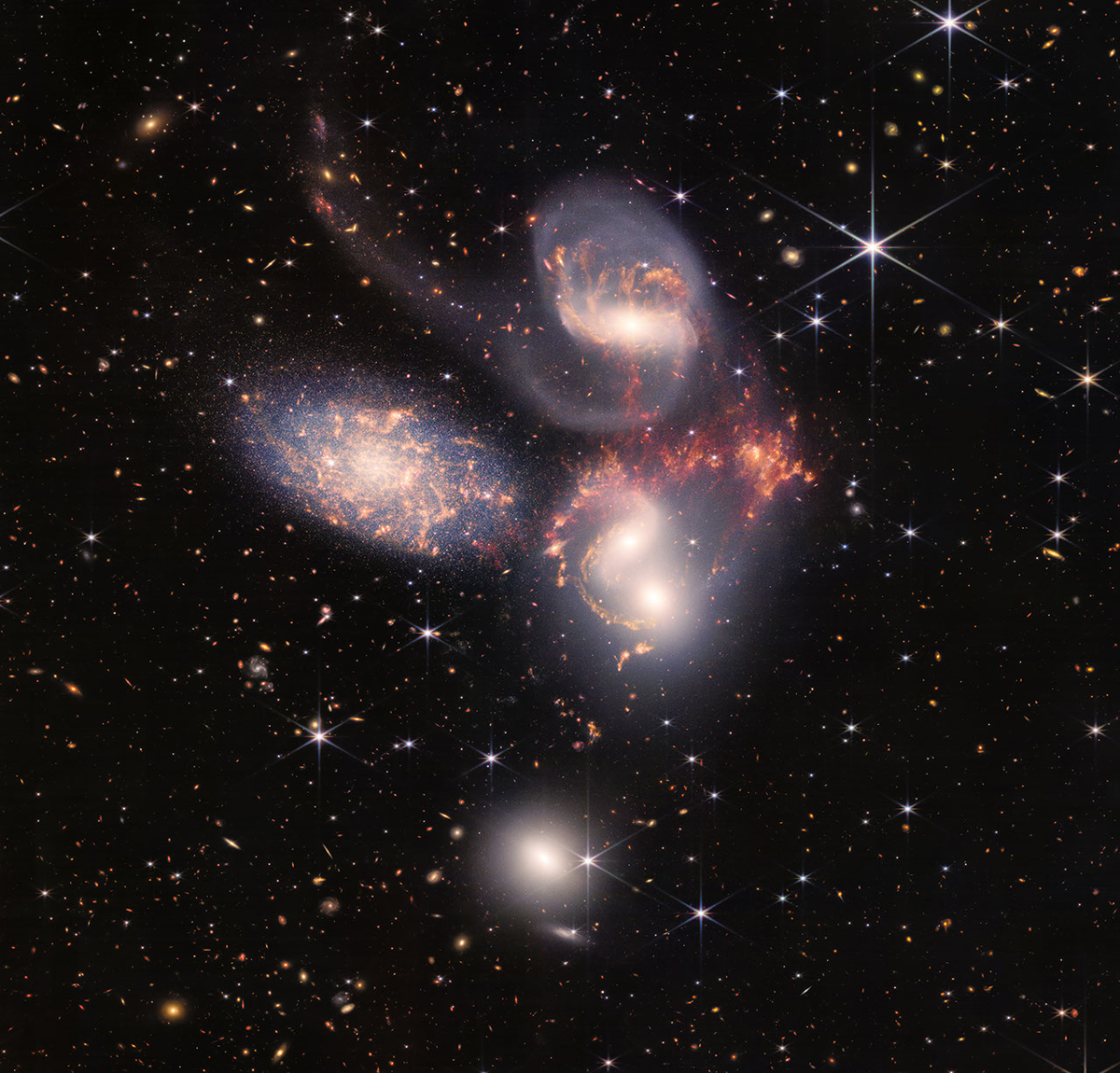
Stephan’s Quintet, an apparent group of galaxies. One of the five is closer than the others. A NIRCam and MIRI infrared composite.
Stephan’s Quintet, an apparent group of galaxies. One of the five is closer than the others. A NIRCam and MIRI infrared composite. NASA / ESA / CSA / STScI

A year-long journey

A light-year is the distance light travels through a vacuum in one Earth year: about 9.46 trillion kilometres. The name contains “year”, but the unit measures distance.

Looking into the past

Sunlight takes about 8 minutes 20 seconds to reach Earth. We therefore see the Sun as it was minutes ago. Light from a star 100 light-years away takes roughly 100 years to arrive.

Choosing a useful ruler

Within the Solar System, astronomers often use astronomical units. One AU is about 149.6 million kilometres, close to Earth's average distance from the Sun. Light-years make stellar and galactic distances easier to express.

A thought for stargazing

The night sky brings together different times: light from different objects began its journey at different moments. A telescope reveals fainter, more distant sources, but cannot remove that travel time.

✦

A light-year measures distance. More distant objects send us light from further in the past.
Continue with the original source

NASA: explore this topic
← Back to the journal

ONE MORE QUESTION

There is always more to discover.

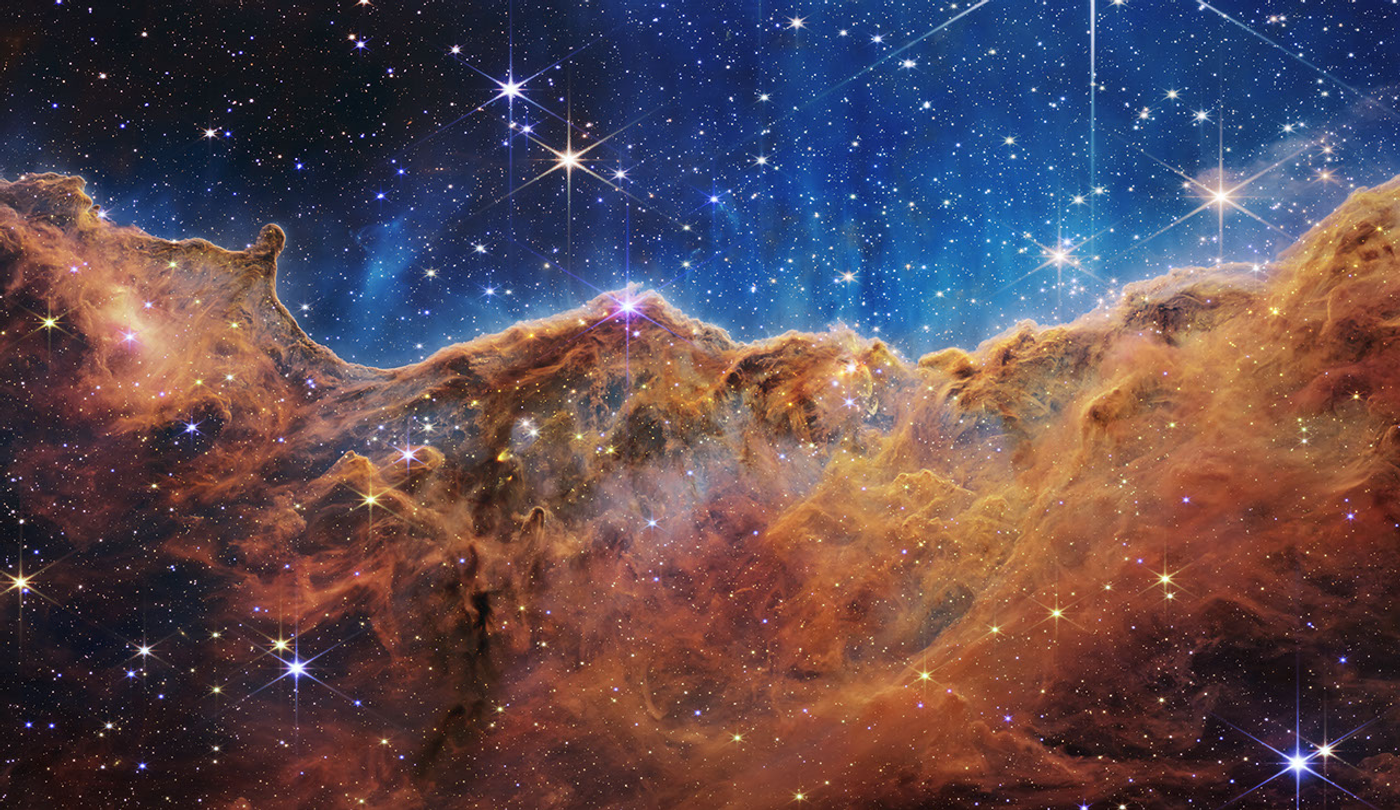
The Cosmic Cliffs in the Carina star-forming region. A Webb infrared composite with colours assigned to filters.The lives of stars

Why do stars shine?

Behind a star's steady glow lies a balance between gravity and pressure in hot matter.

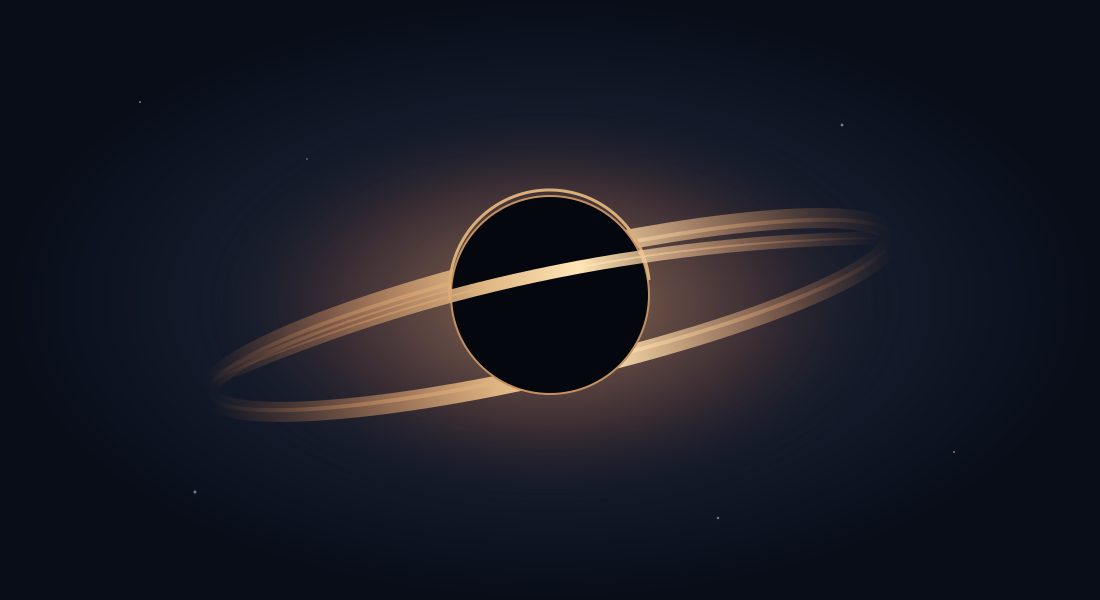
Schematic illustration: black hole and accretion discAstrophysics

What lies beyond the event horizon?

A black hole has a boundary beyond which even light cannot return to the outside universe.

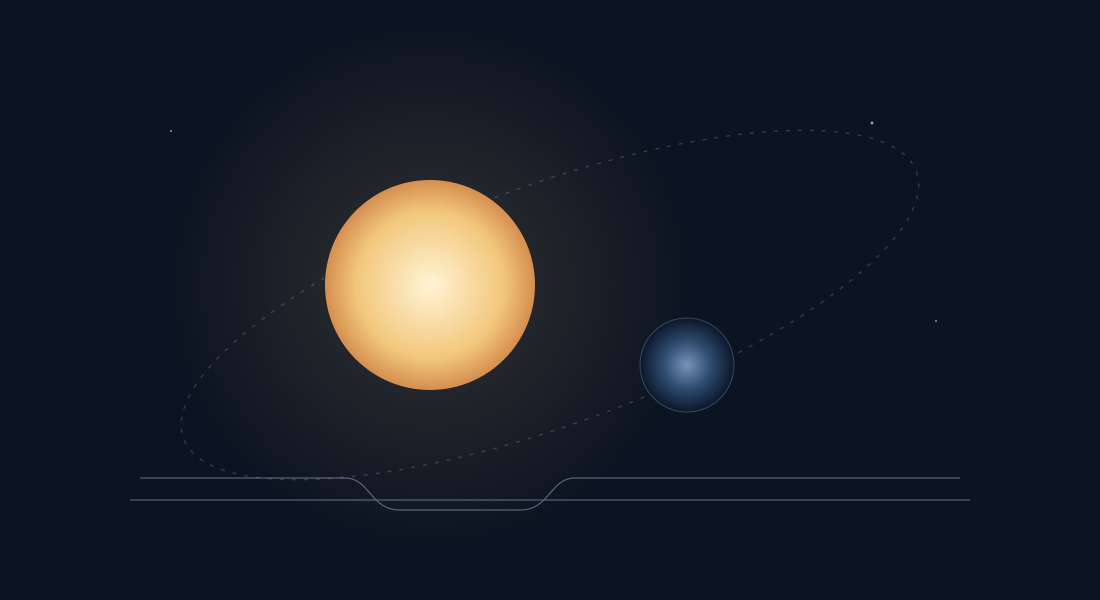
Schematic illustration: a planet passing in front of a starDistant worlds

How do we find planets around other stars?

A tiny change in a star's light can reveal the presence of a planet.

Find your question

Popular in the atlas

Close with Esc

A little discovery

Did you know?

Explore the planet