A small atlas of a vast universe
The universe.
Closer than
you think.
Planets, stars and big questions.
A journey that begins with
a little curiosity.
Start with something
you want to understand. ↓
01 / OUR COSMIC NEIGHBOURHOOD
Eight worlds.
One star.
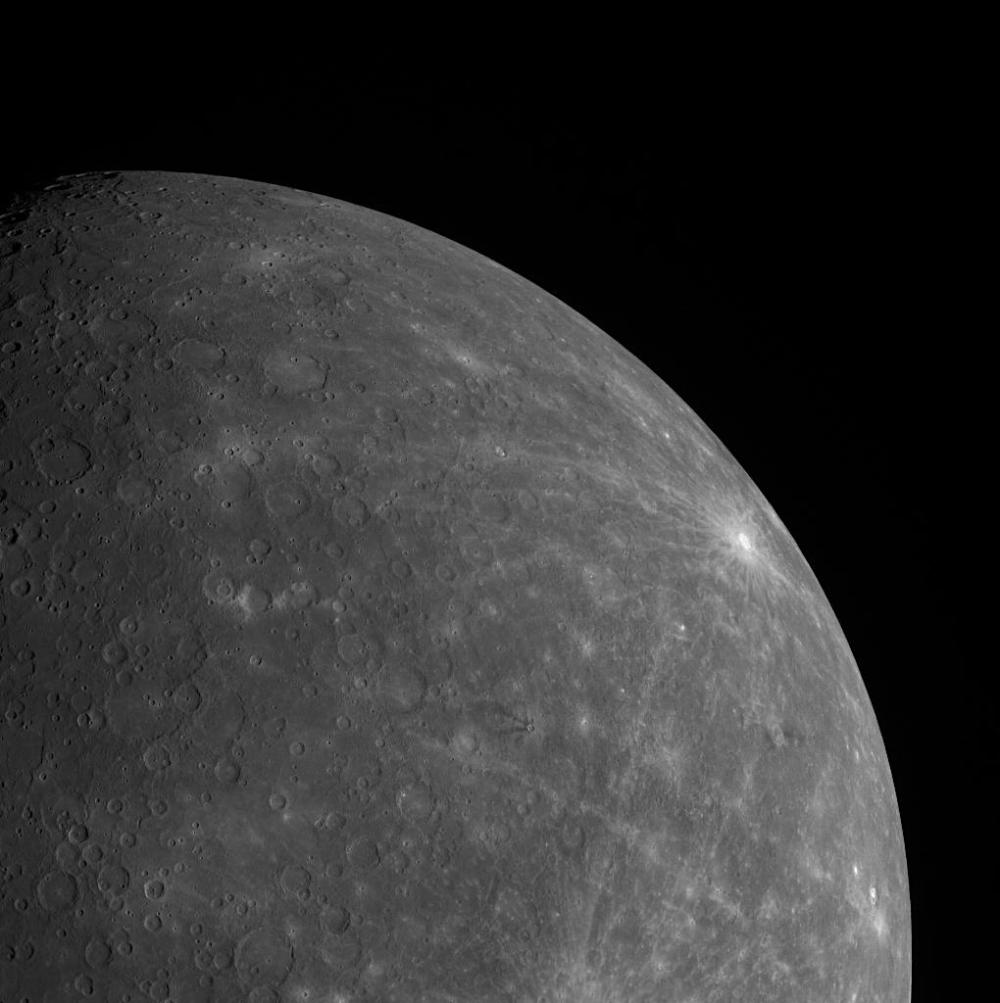
Mercury
Rocky planet
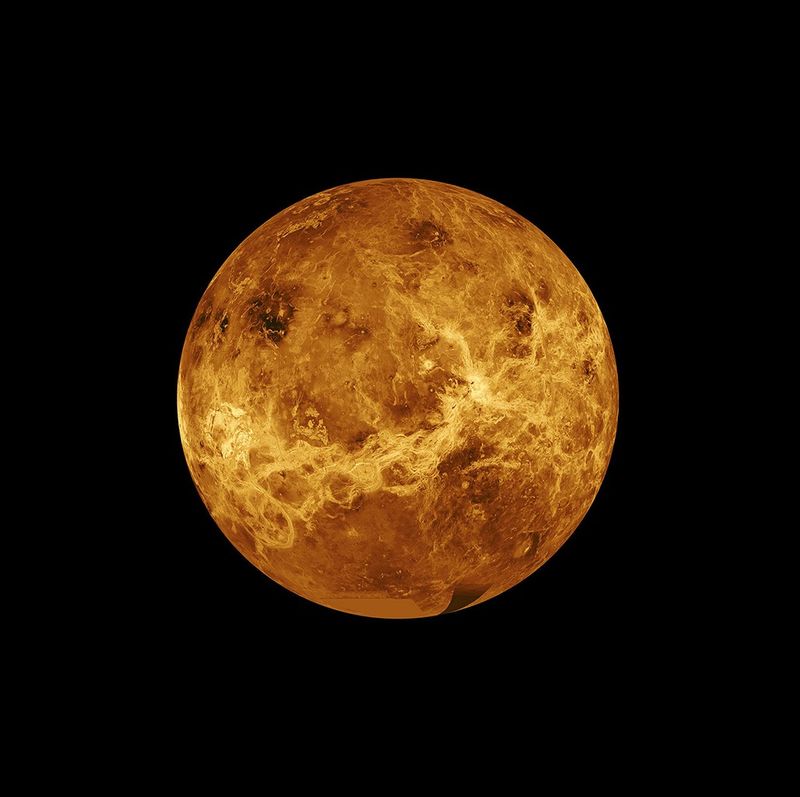
Venus
Rocky planet
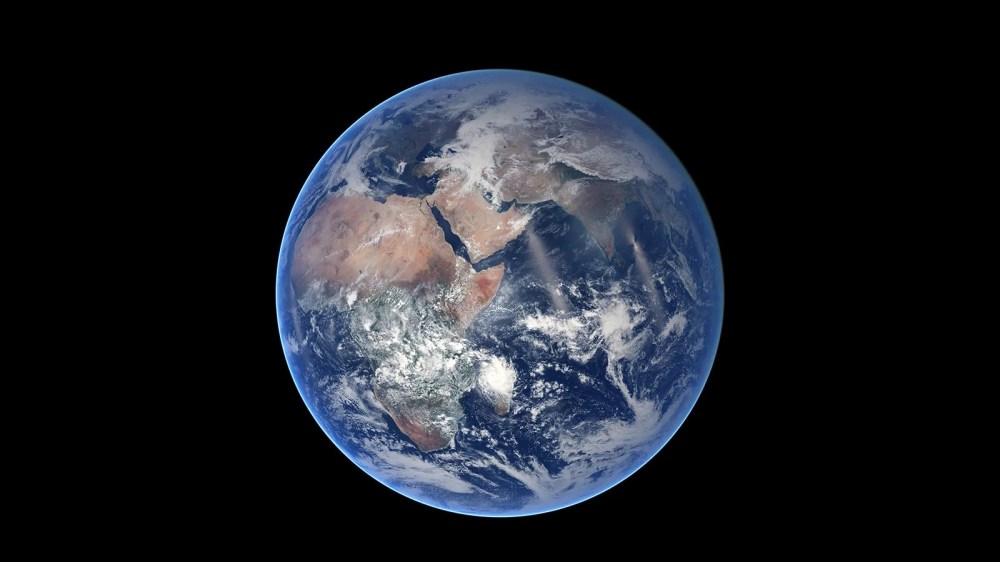
Earth
Rocky planet
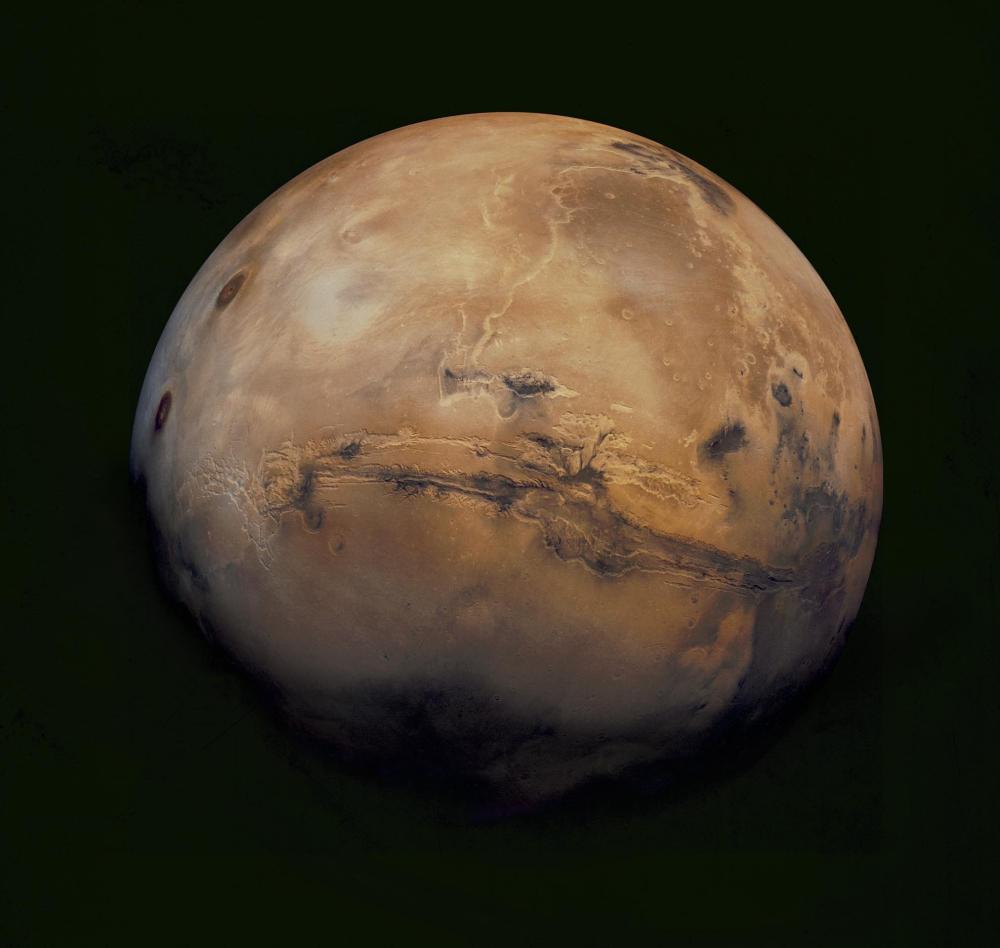
Mars
Rocky planet
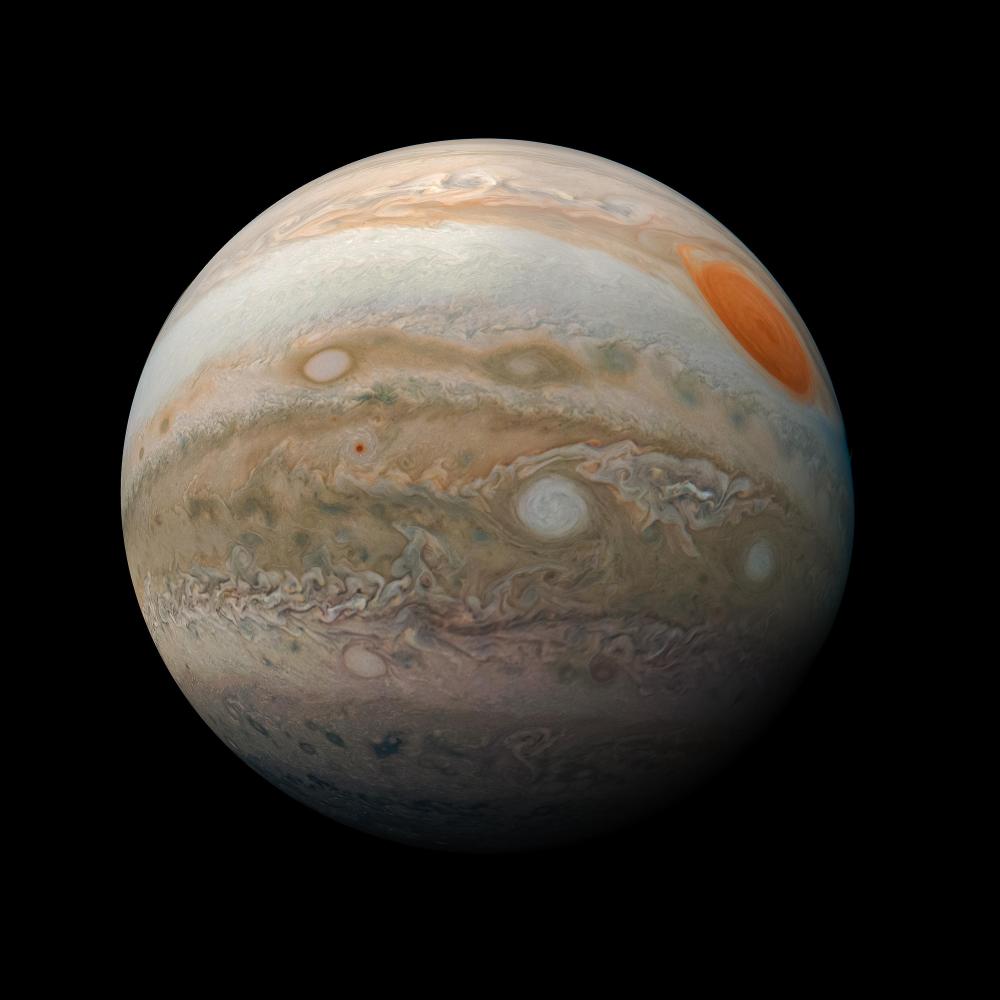
Jupiter
Gas giant
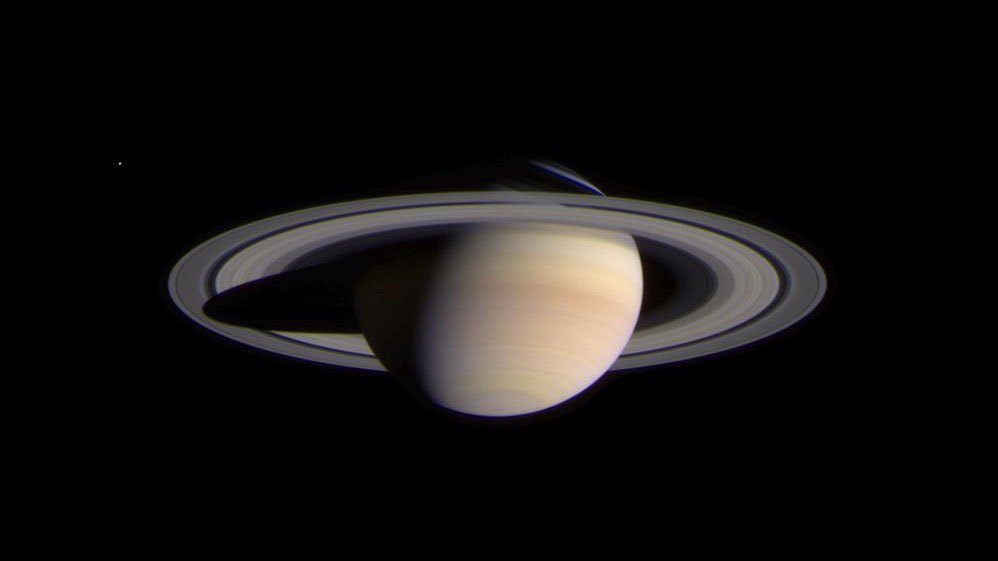
Saturn
Gas giant
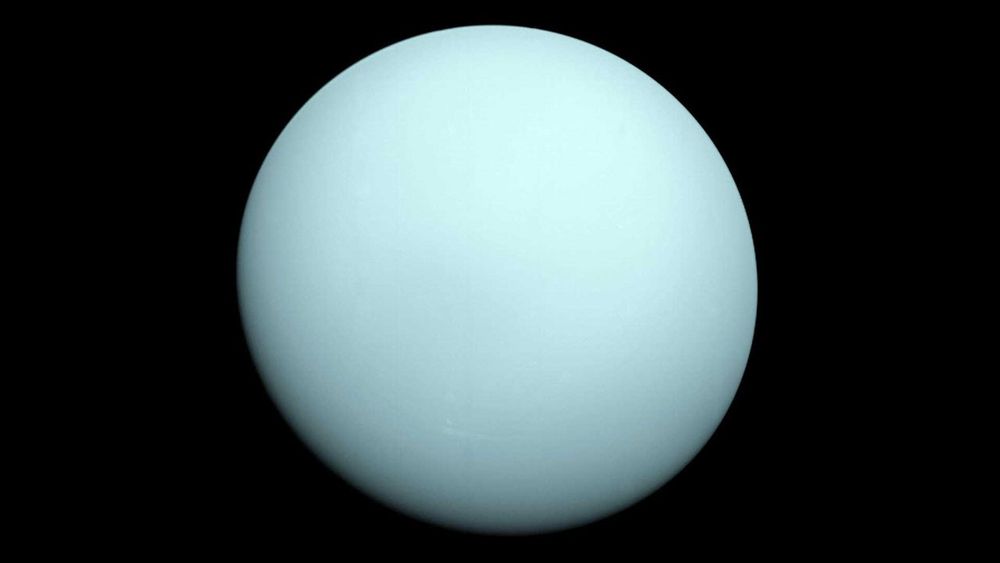
Uranus
Ice giant
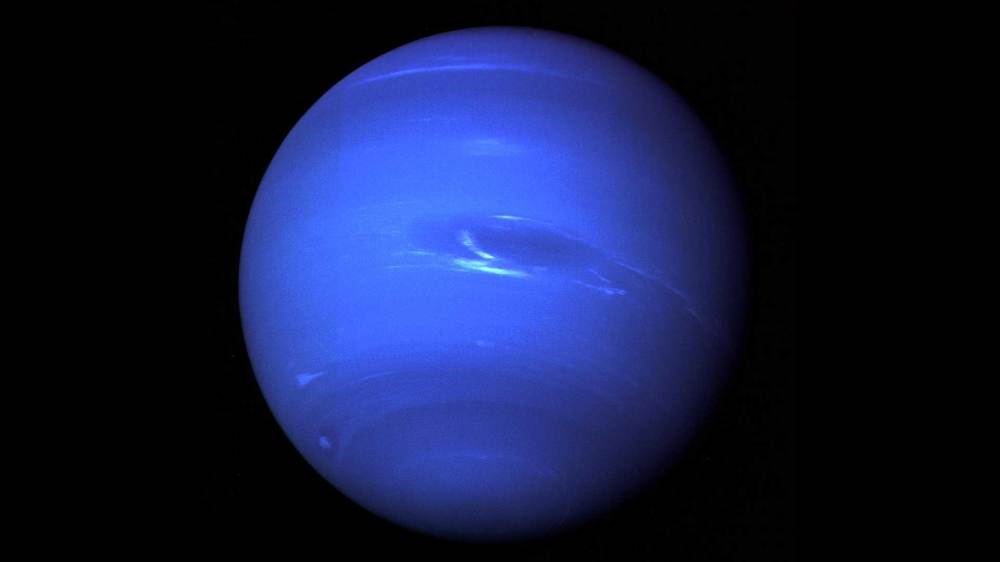
Neptune
Ice giant
Distances are given in astronomical units. Planet images are not shown to scale.
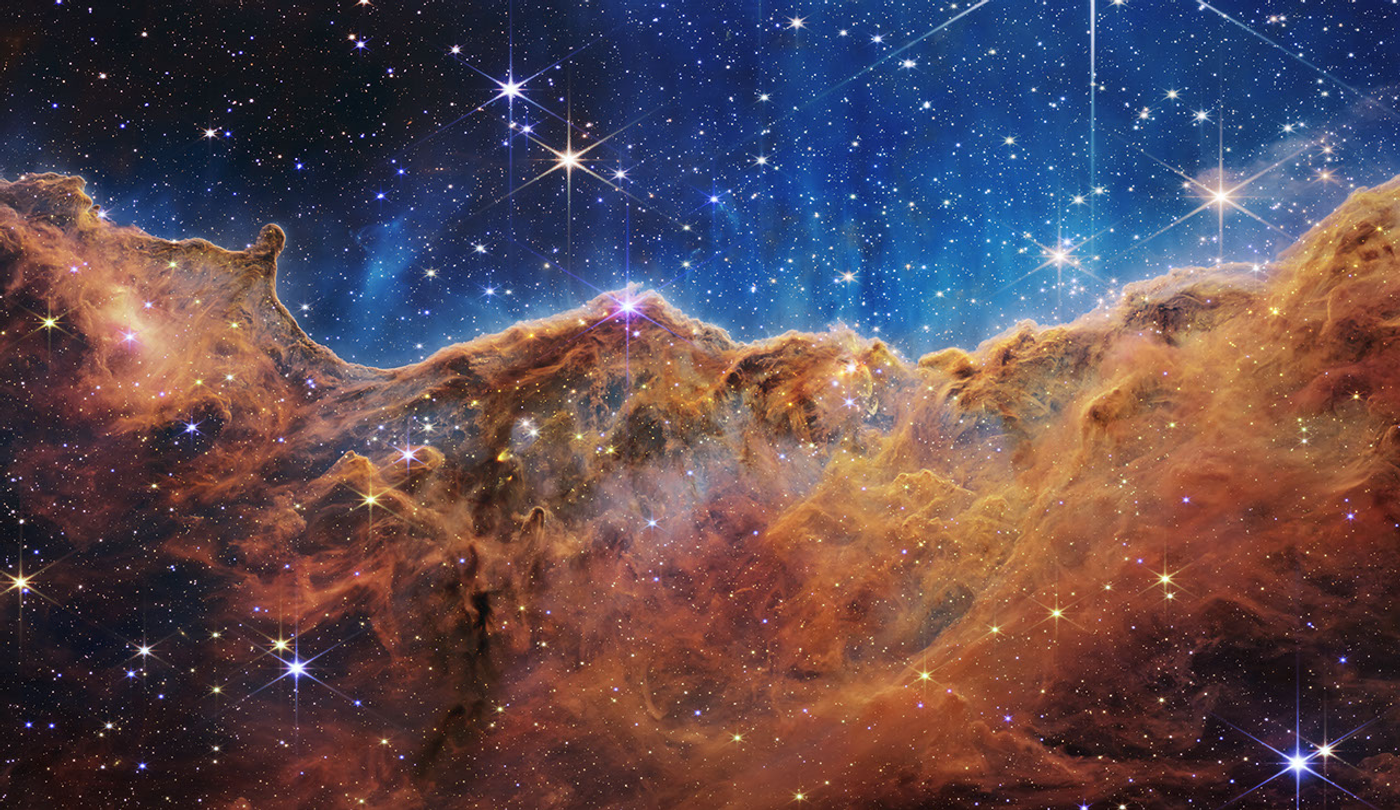
IN FOCUS · THE LIFE OF STARS
New worlds
begin here.
Beyond these glowing clouds of gas and dust
a new generation of stars is taking shape.
02 / A VIEW FROM EARTH
Learn to read
the night sky.
Connecting lines are schematic. Stars in a constellation are usually at different distances from us.
03 / A LITTLE DEEPER
Big questions.
Clearer answers.
 The scale of the universe
Why is a light-year a distance?
When kilometres become unwieldy, the journey of light gives us a more useful measure.
The lives of starsWhy do stars shine?
Behind a star's steady glow lies a balance between gravity and pressure in hot matter.
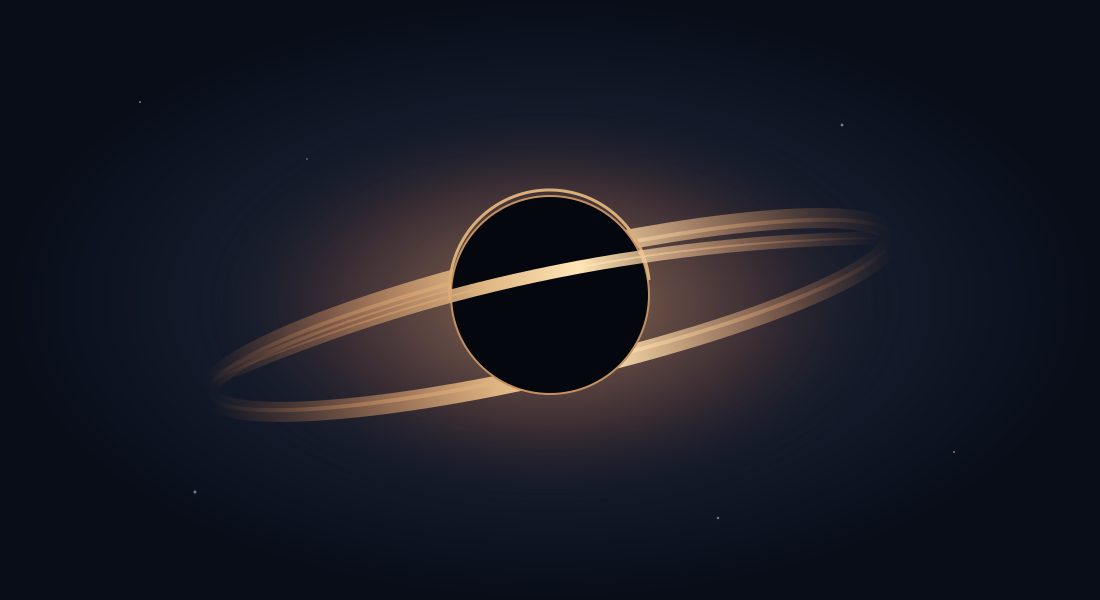 Astrophysics
What lies beyond the event horizon?
A black hole has a boundary beyond which even light cannot return to the outside universe.
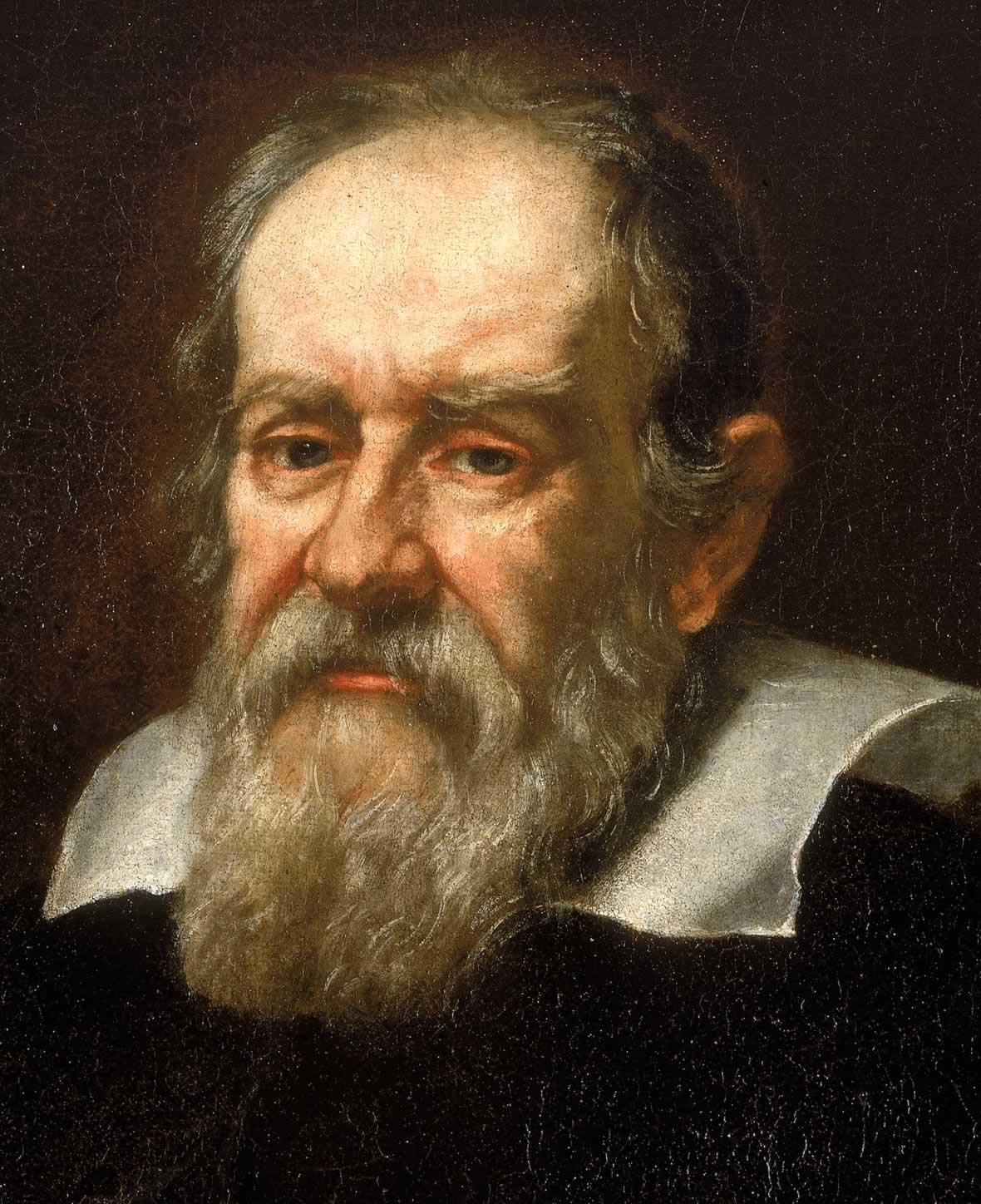
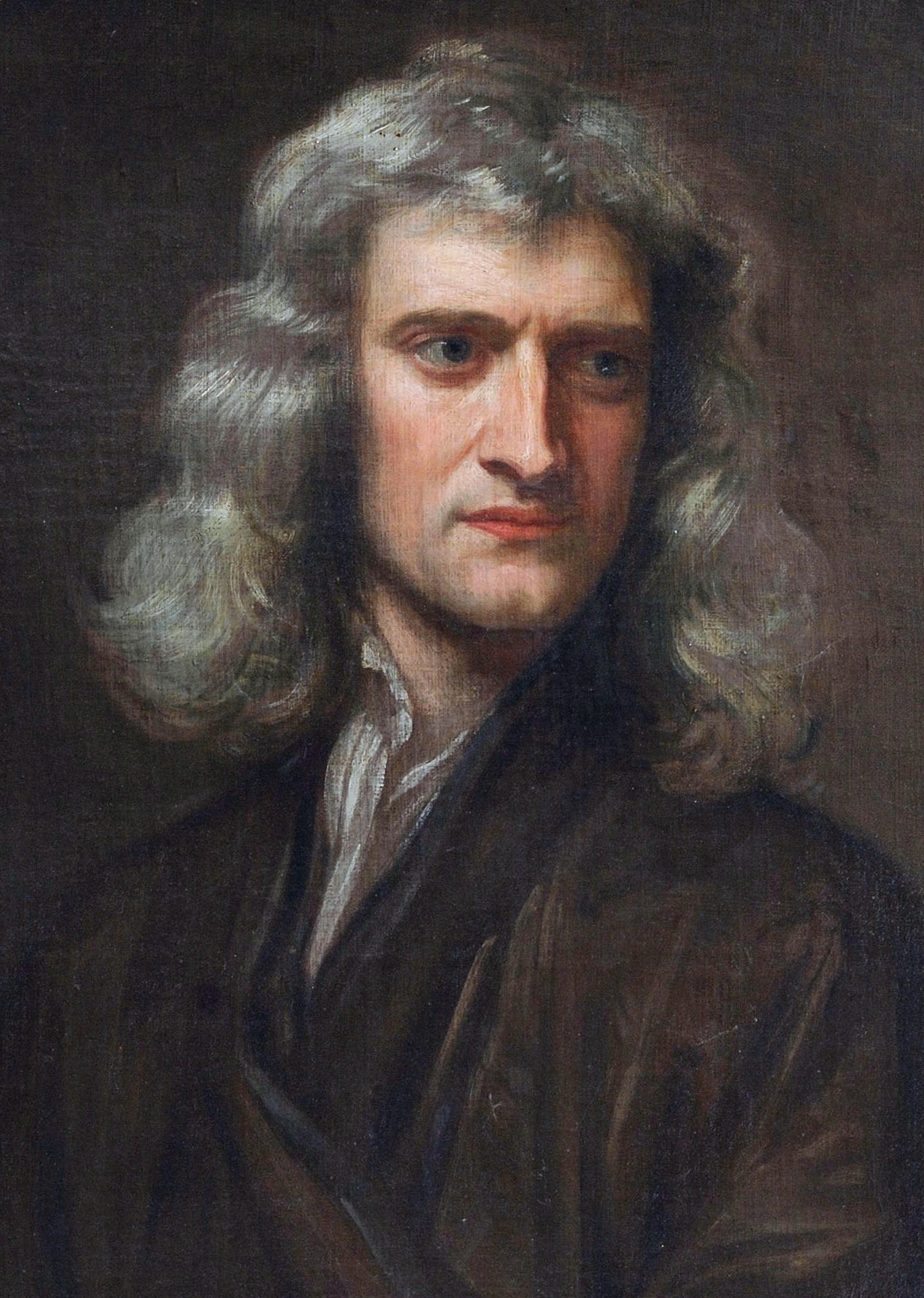
04 / THE PEOPLE BEHIND THE IDEAS
A different way
to see everything.
TRY AN IDEA / LIGHT & DISTANCE
How long does
a little light take?
A FLASH LEAVES THE SUN
Choose its destination.
Even light needs time to cross our neighbourhood. Pick a planet to see how far away it really is.
Approximate one-way travel time in vacuum, using the planet’s orbital semi-major axis and 499 seconds per AU.
Understand the light-yearSUNLIGHT TRAVEL TIME
To Saturn · 9.54 AU from the Sun
A FEW SMALL REVELATIONS
The universe has
a curious side.
Mercury
One solar day on Mercury lasts roughly twice as long as its year.
Take a closer look ✧Venus
Venus is the hottest planet in the Solar System.
Take a closer look ✧Saturn
Saturn's rings consist of separate particles of ice and rock orbiting the planet.
Take a closer look ✧Neptune
Neptune was discovered in 1846 after its position had been predicted mathematically.
Take a closer lookSTAY CURIOUS
Sometimes one discovery
changes the whole picture.
05 / BEYOND THE EVERYDAY
Stranger than fiction.
This is our universe.
Southern Ring
WEBB · INFRARED COMPOSITE
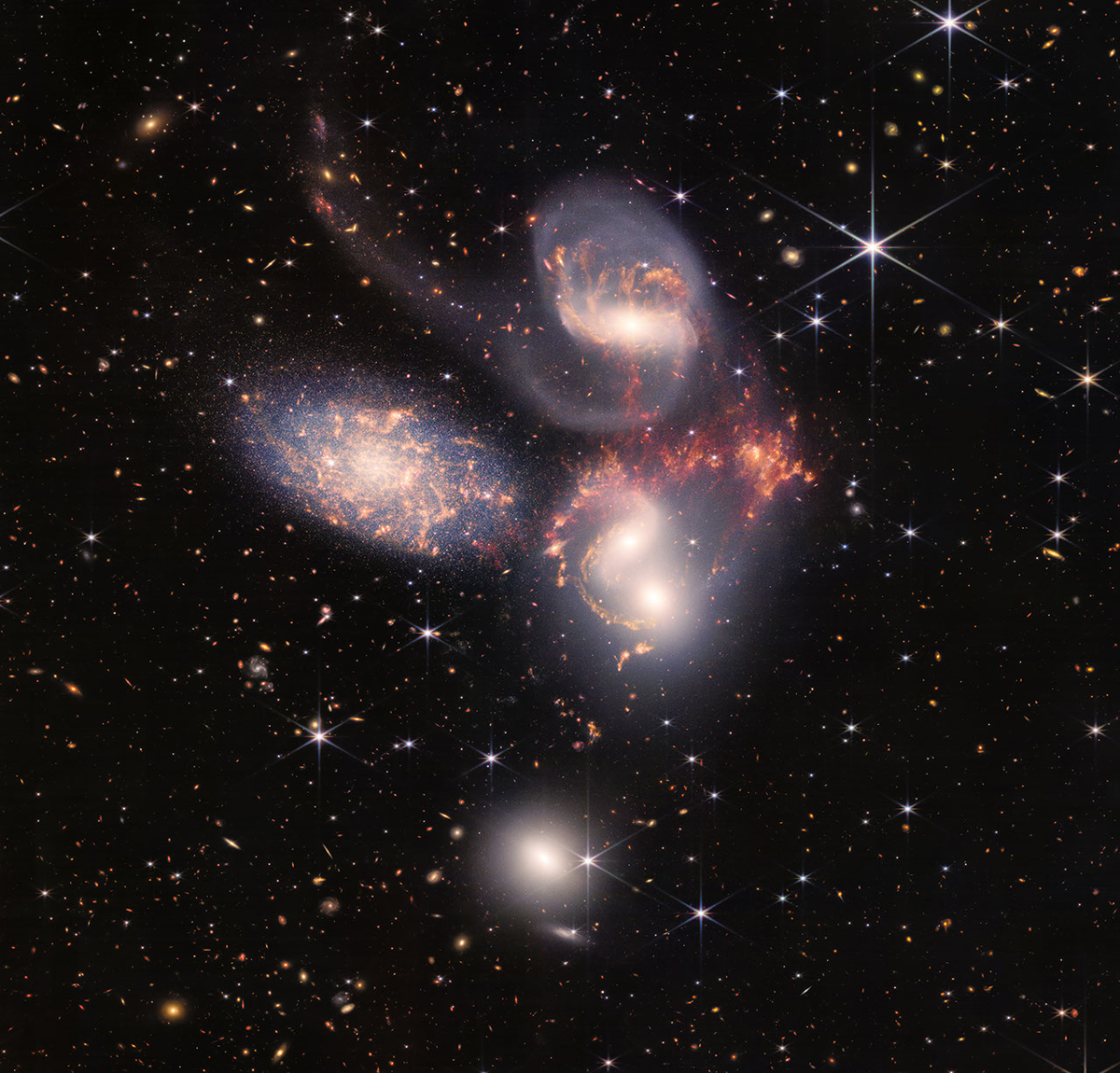
Stephan’s Quintet
WEBB · INFRARED COMPOSITE
Cosmic Cliffs
WEBB · INFRARED COMPOSITE
Webb telescope observations. Visible colours are assigned to infrared filter data.
A FEW MORE QUESTIONS
Curiosity is always welcome.
Why is Pluto missing from the eight planets?+
Pluto is classified as a dwarf planet. It has not cleared its orbital neighbourhood of other comparable bodies. That makes it no less interesting to explore.
Explore the sourceCan you see every constellation from one location?+
Which constellations you can see depends on your latitude, the season and the time of night. Some regions of the sky never rise above the horizon at a particular location.
Explore the sourceDo the images show real objects?+
The atlas's images of planets and nebulae are based on space observations. Some combine different filters and use colour processing. Captions explain this and link to the original sources.
Explore the source