An idea worth following.
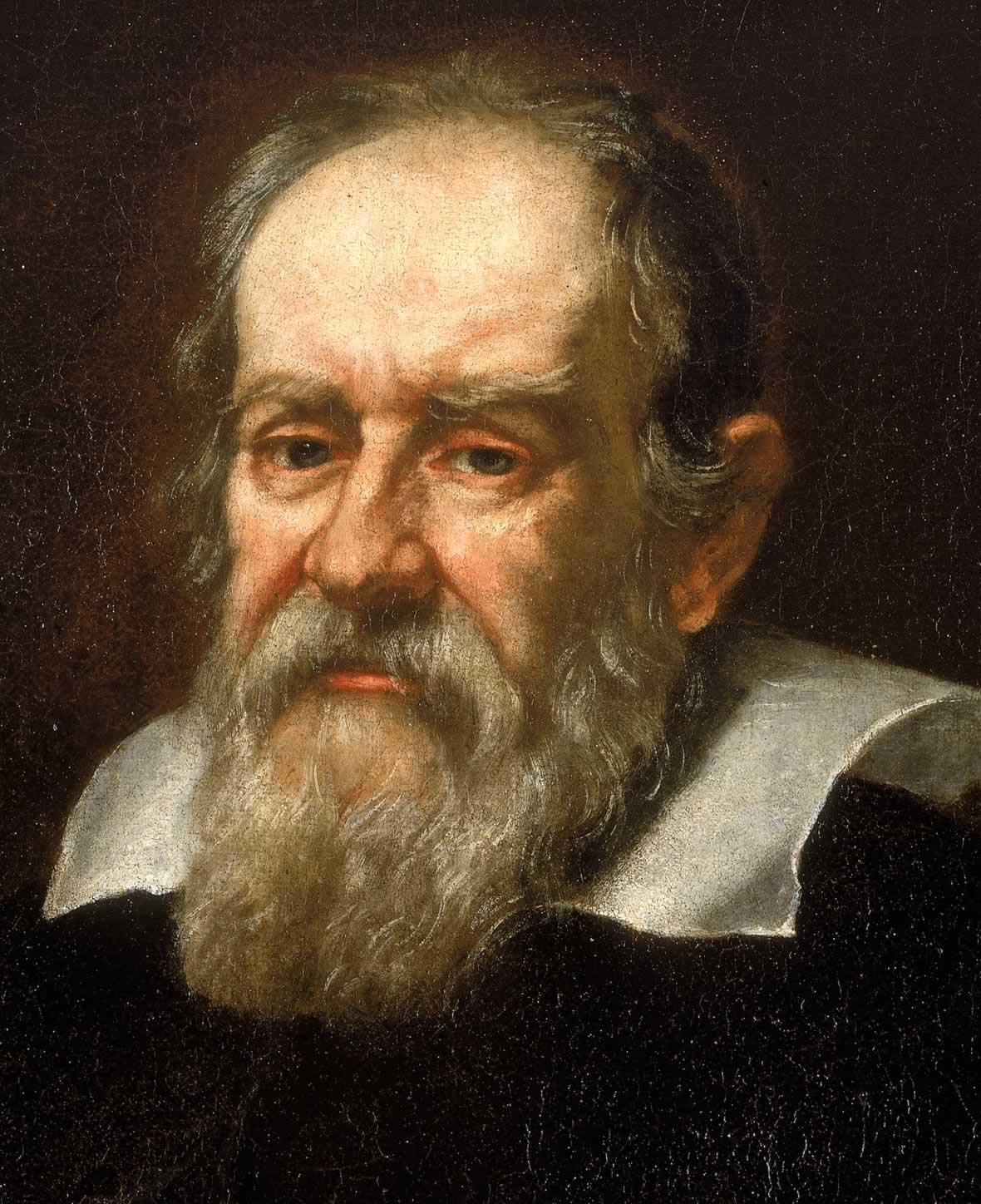
In 1609, he built and improved telescopes after hearing about the recently developed instrument. He did not invent the telescope. Through it, he saw a rugged lunar landscape, countless stars in the Milky Way, and four small bodies moving around Jupiter.
His observations of the phases of Venus showed that Venus circles the Sun, challenging the traditional Ptolemaic system. His support for Copernican astronomy brought conflict with Church authorities; he spent his final years under house arrest.
TRY THE IDEA
Watch Jupiter over several nights
Small points of light change position beside Jupiter. Repeated observations reveal moons orbiting another planet: a visible demonstration that Earth is not the centre of every celestial motion.