TOOLS OF DISCOVERY · 2 MIN READ
How can light reveal what a star contains?
Split starlight into wavelengths and a distant object becomes a laboratory you can read.
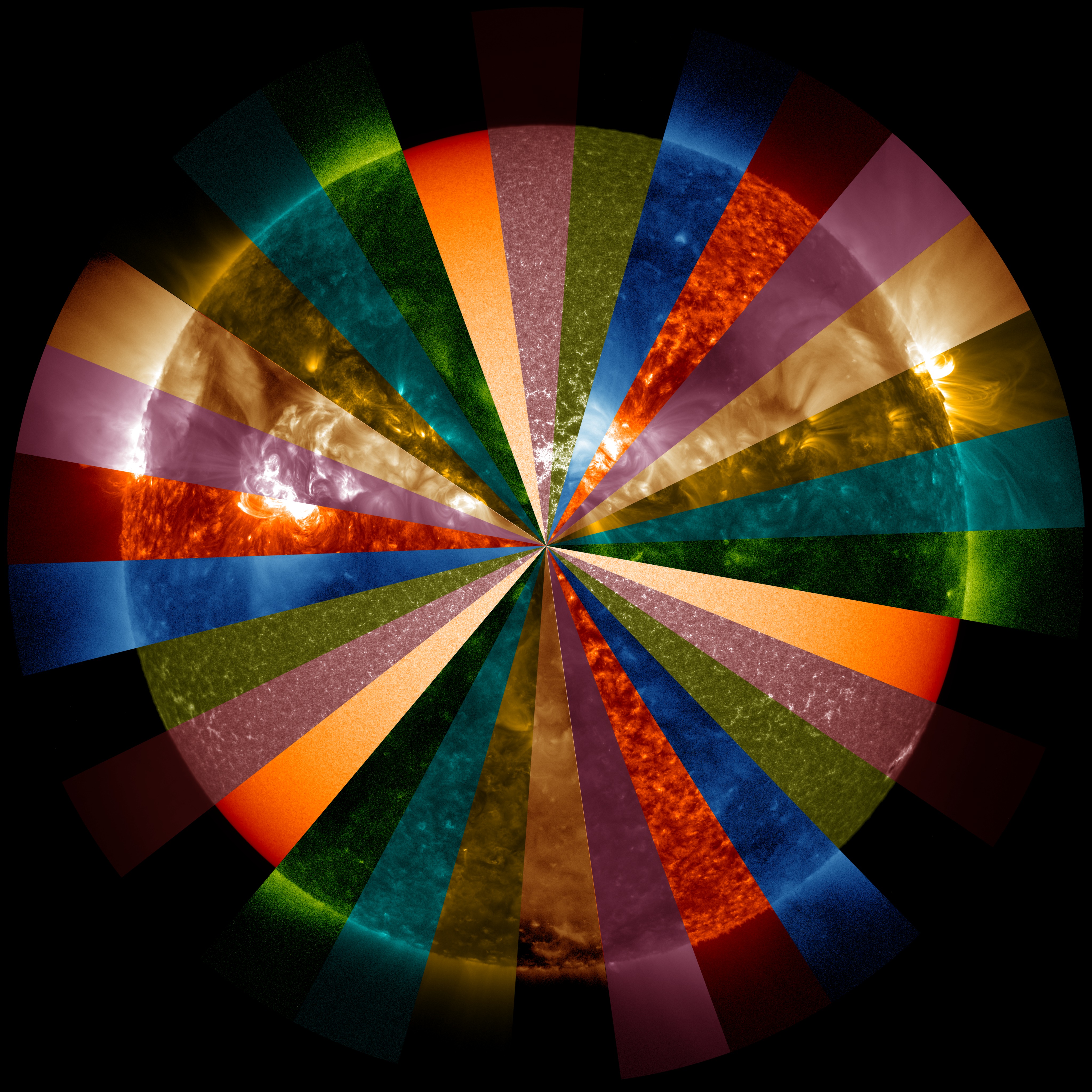
Spread the light
A spectrograph separates incoming light into a spectrum and measures its brightness at different wavelengths. This reveals much more information than the single colour our eyes assign to a star.
Recognise a pattern
Atoms and molecules absorb or emit particular wavelengths. Cooler gas in front of a bright source can produce dark absorption lines. Glowing, thin gas can produce bright emission lines.
Test the interpretation
Astronomers compare whole patterns with laboratory measurements. Line strength also depends on temperature, density and abundance, so one dark line cannot by itself establish how much of an element is present.
TRY THE IDEA
Match the pattern
If several lines match a laboratory element’s pattern, what follows?
Explore the answer +
That element is a plausible identification. Check other expected lines and alternative explanations before accepting the match.
Spectral line patterns let researchers identify material without collecting a physical sample.